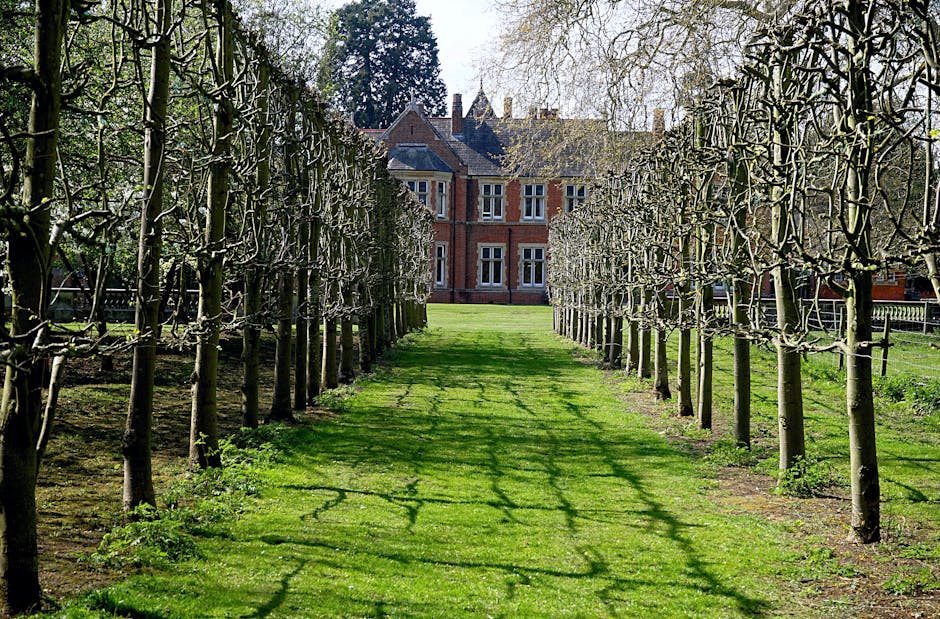
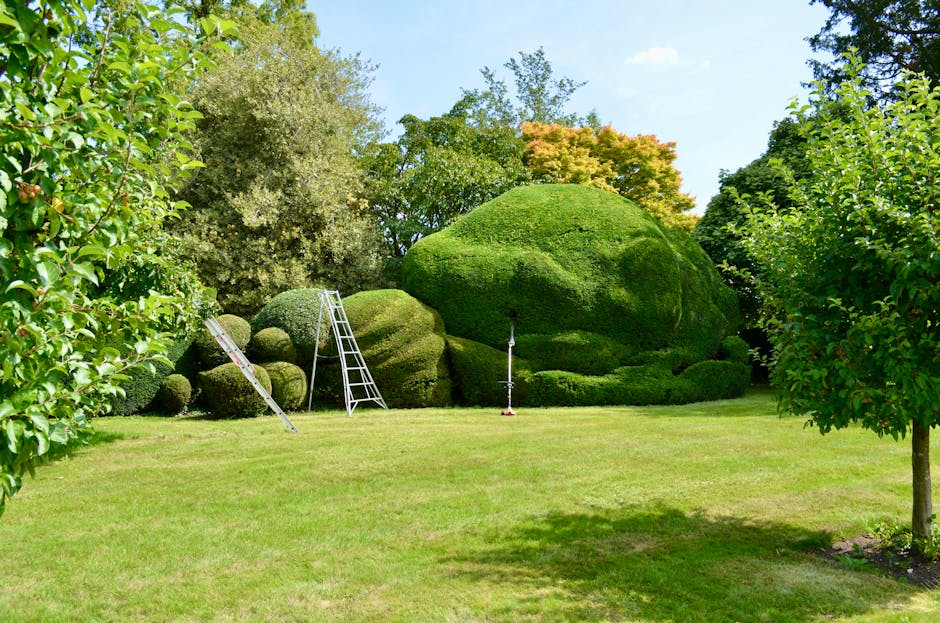
Turnham Green gardeners for mature tree pruning
Mature trees bring character, shade, privacy, and a sense of permanence to a garden. But they also need careful attention. If you have an established tree that has grown heavy, crossed into nearby roofs, blocked light, or started shedding weak limbs, the right pruning approach matters more than a quick trim. That is where Turnham Green gardeners for mature tree pruning become especially valuable: not just for tidying a canopy, but for protecting the tree's long-term health, your property, and everyone who uses the garden.
In a place like Turnham Green, where gardens often sit close to homes, pathways, fences, and neighbouring plots, mature tree pruning is rarely a cosmetic job alone. It is a balance of judgement, timing, structure, and safety. Done well, it can improve airflow, reduce risk, and help an older tree keep its shape without looking butchered. Done badly, it can leave stress wounds, uneven regrowth, or a tree that slowly declines. Let's face it, the difference is not subtle.
This guide explains what mature tree pruning involves, how it works in practice, when it makes sense, and what to look for when choosing a local gardening team. You will also find a practical checklist, a comparison of pruning approaches, and a straightforward FAQ section for the questions people usually ask once they're standing under a tree thinking, "Right then... what now?"
Contents
- Why mature tree pruning matters in Turnham Green
- How the pruning process works
- Key benefits and practical advantages
- Who needs this and when it makes sense
- Step-by-step guidance
- Expert tips for better results
- Common mistakes to avoid
- Tools, resources and recommendations
- Law, compliance, standards and best practice
- Options, methods and comparison
- Case study or real-world example
- Practical checklist
- Conclusion
- Frequently asked questions
Why Turnham Green gardeners for mature tree pruning Matters
Mature trees are not the same as young ornamental shrubs or quick-growing hedges. They have deeper root systems, heavier limbs, more complex structure, and far less room for error. Pruning them properly is about understanding the tree as a living structure, not just a shape to be clipped. In practical terms, that means making cuts for a reason: removing dead or damaged wood, improving clearance, easing wind resistance, or managing size without shocking the tree.
Turnham Green properties often have a mix of compact gardens, mature planting, terraced housing, and boundary lines that make precision essential. A branch that overhangs a patio may not seem like much until it sheds in a breeze, drops debris, or starts rubbing against a roofline. Mature tree pruning helps reduce these everyday frustrations before they become bigger issues.
There is also the visual side of things. A well-pruned mature tree looks balanced and settled. It still feels established, but not overgrown or oppressive. You keep the best parts of the canopy while restoring light to the garden below. That can make a surprising difference in smaller London gardens where every patch of sun counts.
Expert summary: mature tree pruning is most effective when it is selective, measured, and based on the tree's condition rather than on a desire to make it look smaller at any cost.
For larger garden projects, pruning often works best alongside other maintenance tasks. A team that also handles garden maintenance can keep the whole space in order after the tree work is complete, while hedge trimming or lawn mowing can finish the job neatly underneath the canopy.
How Turnham Green gardeners for mature tree pruning Works
Good pruning begins with assessment. A knowledgeable gardener will usually inspect the tree from the ground first, looking at the species, age, shape, recent growth, signs of disease, deadwood, and any awkward contact with buildings or other plants. They will also consider the time of year and whether the work should be light, moderate, or postponed.
Once the tree is assessed, the actual pruning plan is chosen. In mature trees, this usually means one or more of the following:
- Deadwood removal: taking out dead, brittle, or failed branches.
- Crown thinning: reducing dense areas to allow more light and airflow through the canopy.
- Crown lifting: removing lower branches to improve clearance over paths, lawns, or seating areas.
- Crown reduction: carefully shortening branch ends to reduce overall size while keeping a natural outline.
- Selective shaping: improving balance and correcting awkward growth without overcutting.
The exact technique matters. A mature oak, cherry, lime, or fruit tree each responds differently. A one-size-fits-all approach is usually a bad sign, to be honest. The best gardeners understand that pruning is not about forcing a tree into a perfect shape; it is about working with its growth habit and preserving structure.
After the cuts are made, the work should finish with a tidy site, clear waste removal, and a quick check that no branches are left snagging, hanging, or rubbing. If the branches and cuttings are substantial, it may make sense to pair the pruning with garden clearance or broader services overview planning so the whole garden is left manageable.
Key Benefits and Practical Advantages
The most obvious benefit is safety. Mature trees can shed dead limbs, especially after wind, wet weather, or prolonged neglect. Pruning reduces that risk by taking out weak or problematic growth before it falls. In a densely used garden, that is a big deal.
Then there is the health of the tree itself. Selective pruning can reduce crowding in the canopy, helping air movement and light penetration. That can lower the chance of fungal issues in some situations and reduce the strain on heavy limbs. It also helps the tree distribute growth more evenly, which is often better than letting it keep expanding in one direction.
Other practical advantages include:
- Better natural light: useful for lawns, borders, and sitting areas that have become too shaded.
- Improved access: cleaner routes along drives, paths, and boundary lines.
- Cleaner garden appearance: a well-maintained tree supports the rest of the landscape.
- Less nuisance debris: fewer broken twigs, fewer rubbing branches, less leaf clutter where it is not wanted.
- Longer tree life: when pruning is done properly, the tree is less likely to suffer from stress or poor regrowth.
There is a quiet benefit too: peace of mind. You walk into the garden on a breezy evening and do not keep glancing up at that one heavy limb. That matters more than people admit.
If the pruning is part of a wider upgrade, local teams may combine it with landscape gardening or landscaping work so the garden feels cohesive rather than patched together.
Who This Is For and When It Makes Sense
This service suits homeowners, landlords, property managers, and anyone responsible for a mature tree that has started to outgrow its space. It is especially relevant if the tree is close to a house, garage, fence, public footpath, or neighbour's boundary. It also makes sense where the canopy has become too dense and the garden feels dark or enclosed.
Common scenarios include:
- branches touching a roof, gutter, or outbuilding
- heavy shade stopping lawn growth beneath the tree
- dead branches visible from the ground
- branches rubbing together in wind
- an uneven canopy caused by past storm damage
- clearance needed over a seating area, driveway, or access route
Sometimes the need is obvious. Other times, it is more subtle. You might notice the tree no longer looks well balanced from the kitchen window, or there is a constant drumming sound when leaves and twigs hit the fence after a gust. Small clues, but they add up.
If you are comparing a pruning visit with broader tree work, it can help to look at the team's experience with tree lopping and removal too. Not because pruning means removal, obviously not, but because mature trees sometimes need a careful judgement call if they are structurally compromised.
Step-by-Step Guidance
If you are arranging mature tree pruning for the first time, it helps to know what the process should look like from start to finish. Here is a practical sequence.
- Initial inspection
The gardener checks the tree's size, health, structure, and surroundings. This is where they decide whether pruning is appropriate and what style of work is safest.
- Define the objective
Do you need more light, less height, better shape, or safety clearance? Good pruning starts with a clear goal. Without one, the tree can end up looking vaguely "cut back" rather than improved.
- Choose the right season
The best time depends on the tree species and the desired result. Some trees tolerate pruning better at certain times of year. A local gardener should be cautious here and avoid rigid advice that ignores the tree in front of them.
- Protect the surrounding space
This includes checking for patios, decking, lawn borders, vehicles, greenhouse glass, and nearby planting. The garden should be treated as a whole, not as a place where branches are simply dropped and sorted out later.
- Prune selectively
The gardener removes dead, diseased, crossing, or excess growth. Mature trees usually need restraint. Short, deliberate cuts are often better than aggressive reduction.
- Check the shape and balance
Once the main cuts are complete, the canopy should still look natural. A slightly irregular tree is often healthier and more believable than a forced geometric shape.
- Clear away debris
Branches, twigs, and leaf litter are removed. If needed, the team may also tidy adjacent beds or reset areas disturbed by access routes.
- Review the outcome
A good job ends with a sensible after-check: does the tree sit properly in the garden, is there enough clearance, and has the work respected the tree's structure?
If the same garden needs wider ongoing attention, scheduling pruning alongside garden maintenance is often a sensible move. It keeps the whole space steady rather than allowing the tree work to become a one-off fix that is quickly swallowed by fresh growth.
Expert Tips for Better Results
First, do not ask for more reduction than the tree can comfortably handle. Bigger cuts are not always better. In fact, a lot of the real skill lies in knowing how little needs to be removed. That sounds almost too simple, but it is true.
Second, aim for structure, not just shape. A mature tree should still read as a tree after pruning. If it starts to resemble a flattened hedge on stilts, something has gone off track.
Third, think about light and use patterns in the garden. A tree that shades a vegetable bed may need a different approach from one shading a patio used in the evenings. The "right" pruning choice depends on how you live with the tree, not just what it looks like from the pavement.
Fourth, keep an eye on previous cuts. Older pruning wounds, poor regrowth, and signs of past overcutting can affect what is safe to do next. Mature tree work is often a judgement exercise, not a routine sweep with the shears. And yes, the tree will tell on poor workmanship eventually.
Fifth, use the visit to improve the rest of the garden plan. A pruned tree may let in more light, which can change what grows well below it. That might mean adjusting borders, refreshing turf, or rethinking a shaded sitting area. Small changes, but they can transform the space.
For broader outdoor improvements, a gardener who can also coordinate landscape gardening or even a new decking services project can help the pruning work feel part of a bigger, more coherent garden plan.
Common Mistakes to Avoid
Mature trees are forgiving in some ways and unforgiving in others. The biggest mistake is topping, which means cutting back the upper branches to stubs in the hope of controlling size. It may look dramatic on day one, but it often leads to weak regrowth and a poor tree shape over time. Not ideal, to put it mildly.
Another common problem is over-thinning. If too much foliage is removed, the tree can lose its natural protection and ability to feed itself properly. Leaves are not decoration; they are the engine of the tree.
Other mistakes worth avoiding:
- pruning without a clear purpose
- making random cuts just to "tidy it up"
- ignoring signs of disease or decay
- working during poor weather when the site becomes unsafe
- cutting too close to the trunk or leaving ugly stubs
- assuming every mature tree can be treated the same way
There is also the subtle mistake of forgetting the aftermath. Once a tree opens up, more light reaches the soil, and the rest of the garden may need attention too. A neglected lawn under a brighter canopy can suddenly become more visible, for example, which is where lawn mowing and general tidy-up work become useful again.
Tools, Resources and Recommendations
You do not need to own specialist equipment to understand or commission this work, but it helps to know what proper tree pruning usually involves. Depending on the tree and access, a team may use hand saws, loppers, secateurs, pole tools, ropes, and safety equipment suited to the job. For larger trees, more careful access planning is often required.
The most useful resource, though, is experience. Mature trees reward patience. A team that regularly deals with older gardens will usually know when to step in, when to hold back, and when to suggest a different solution altogether.
When comparing providers, ask practical questions rather than relying on vague reassurance. For example:
- How do you decide between crown thinning and crown reduction?
- Will the tree still look natural afterwards?
- How do you protect nearby planting or surfaces?
- What happens to all the green waste?
- Can the work be scheduled around other garden tasks?
If you are reviewing the wider service offering too, it can be useful to read about pricing and quotes so you know how estimates are usually handled, and recycling and sustainability if you care about green waste disposal and responsible garden practice. Those pages are not a substitute for an on-site assessment, of course, but they do help set expectations.
Law, Compliance, Standards and Best Practice
Tree work in the UK should be approached carefully, especially in built-up areas. Some trees may be protected by a Tree Preservation Order or affected by conservation area controls, so it is wise not to assume every job is straightforward. If there is any uncertainty, the responsible approach is to check before work begins. That part matters. A quick pruning job can become a difficult conversation if the wrong tree is altered.
Safety is another key consideration. Mature tree pruning often involves working at height, handling heavy branches, and managing falling debris near buildings or access routes. A trustworthy local gardener should take health and safety seriously, use suitable equipment, and explain how the site will be managed. If you want to see how a company thinks about this, a good place to start is its health and safety policy and insurance and safety information.
Good practice also means respecting neighbouring boundaries, keeping disruption low where possible, and disposing of waste properly. In residential areas, being tidy and considerate is not a bonus. It is part of doing the job right.
For customers who want to understand how the business operates more broadly, the pages on about us, terms and conditions, and payment and security can be useful before booking. They help set a more transparent, professional tone from the outset.
Options, Methods and Comparison
Different pruning methods serve different purposes. Picking the right one is the part that separates careful tree work from guesswork. Here is a simple comparison.
| Method | Best for | Main benefit | Potential drawback |
|---|---|---|---|
| Deadwood removal | Safety and upkeep | Reduces falling branch risk | Does not change overall size much |
| Crown thinning | Dense canopies | Improves light and airflow | Can look ineffective if too little is removed |
| Crown lifting | Paths, lawns, access routes | Creates clearance below the canopy | May leave the tree looking top-heavy if overdone |
| Crown reduction | Size management | Reduces spread while keeping shape | Needs skilled cuts to avoid stress and awkward regrowth |
| Heavy reduction or topping | Generally not recommended | Short-term size drop | Weak regrowth, poor structure, long-term problems |
There is no "best" method in the abstract. The right choice depends on the species, the condition of the tree, and what the garden actually needs. A mature lime in a shaded front garden will not call for the same treatment as a broad apple tree over a back lawn. Different tree, different answer. Simple as that.
Case Study or Real-World Example
Imagine a typical Turnham Green back garden with a mature tree standing just inside the boundary. Over the years, it has grown wider than expected, casting deep shade across a small lawn and reaching over a neighbour's side passage. The owner likes the tree and does not want it removed, but the branches have become awkward, and low limbs are starting to interfere with daily use of the garden.
A sensible pruning job in this situation would start with an inspection of the canopy, then remove deadwood and select a few well-chosen branches for lifting and light reduction. The aim would not be to make the tree smaller in a dramatic way, but to restore balance, clear the path, and let more daylight reach the space below. After the work, the garden would feel brighter, the lawn would have a better chance, and the tree would still look like a mature, established feature rather than a hacked-back problem.
That kind of result is usually the goal. Not perfection. Just a much better working relationship between the tree and the garden. Truth be told, that is what most people are after once they see the whole picture.
Practical Checklist
Before booking mature tree pruning, it helps to run through a quick checklist. Nothing fancy.
- Is the tree genuinely mature, large, or structurally significant?
- Are there dead, damaged, rubbing, or overextended branches?
- Is the tree affecting light, access, or safety?
- Do you know what result you want: clearance, shape, light, or all three?
- Is the tree near a roof, fence, driveway, or neighbouring property?
- Have you considered whether the work should be light rather than heavy?
- Do you need the rest of the garden tidied afterwards?
- Would wider maintenance or clearance make sense at the same time?
- Have you reviewed the company's safety and insurance information?
- Are you clear on how waste will be removed and the garden left?
If you can tick most of those off, you are in a much better position to make a calm decision. If not, that is fine too. Better to ask now than regret a rushed prune later on.
Conclusion
Turnham Green gardeners for mature tree pruning are not just there to make a tree look neat. The best work protects structure, improves safety, supports healthy growth, and helps the whole garden function better day to day. Mature trees deserve that kind of care. They are too valuable, and too visible, to be handled casually.
Whether you need deadwood removed, a canopy thinned, a lower branch lifted, or simply a sensible opinion on what should happen next, careful pruning can preserve the best parts of your garden while solving the practical headaches. A good result should look natural, feel safer, and quietly make the space easier to live with.
Get a free quote today and see how much you can save.
If you are ready to take the next step, choose a local team that explains its approach clearly, respects the tree, and treats the rest of your garden with equal care. That kind of attention shows, and you will notice the difference every time you look out the window.
Frequently Asked Questions
What is mature tree pruning?
Mature tree pruning is the careful removal of selected branches from an established tree to improve safety, shape, light, airflow, or long-term health. It is more measured than a casual trim.
How often should a mature tree be pruned?
That depends on the species, growth rate, location, and condition of the tree. Some trees need only occasional attention, while others benefit from more regular light maintenance. An on-site check is the safest way to judge it.
Is pruning better than removing a mature tree?
Usually, yes, if the tree is healthy enough to keep. Pruning can solve many common problems without losing the tree's presence or value. Removal is generally considered only when the tree is unsafe, failing, or unsuitable for the site.
Can pruning damage a mature tree?
It can, if it is done badly or too aggressively. Overcutting, topping, and poor cutting technique can stress the tree. Careful selective pruning is the safer route.
What time of year is best for pruning?
It depends on the tree species and what you want to achieve. Some trees are better pruned during dormancy, while others are best left for a different season. A good gardener will avoid blanket rules and look at the tree first.
Will mature tree pruning make my garden feel brighter?
Often, yes. Crown thinning or lifting can let more daylight through and open up shaded areas. The change can be subtle or fairly dramatic depending on the tree and the canopy density.
Do I need permission to prune a mature tree?
Sometimes. Trees may be protected by a Tree Preservation Order or affected by conservation area controls. If you are unsure, it is wise to check before work begins rather than after.
What should I ask before hiring a gardener for tree pruning?
Ask how they assess the tree, what pruning method they recommend, how they protect the site, what happens to the waste, and whether they carry suitable insurance. Clear answers are a good sign.
How much pruning is too much?
As a rule, if a tree starts to look stripped, flat, or unnaturally small, too much may have been removed. Mature trees generally respond better to careful, selective work than heavy reduction.
Can pruning be combined with other garden services?
Absolutely. Many homeowners combine tree work with garden maintenance, garden clearance, or hedge and lawn work so the whole space is finished properly in one visit.
What happens to the branches and waste afterwards?
They should be collected and removed as part of the service, unless you have specifically asked for something different. Good practice is to leave the garden tidy and usable, not like a storm passed through.
How do I know if my tree needs pruning now?
If you can see deadwood, overhanging limbs, heavy shading, rubbing branches, or reduced access beneath the canopy, the tree probably deserves a closer look. Even if it is not urgent, a professional assessment can prevent bigger issues later.