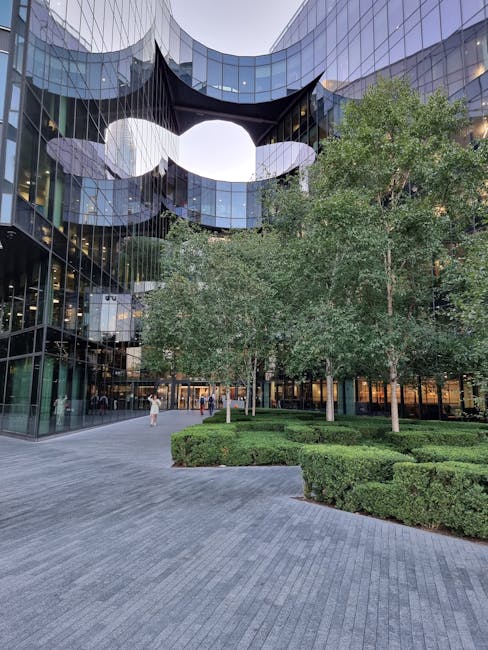
Gardeners near Chiswick Park station for courtyard gardens
If you are looking for Gardeners near Chiswick Park station for courtyard gardens, chances are you need more than a quick tidy-up. Courtyard spaces are small, exposed in odd ways, and often packed with hard surfaces, shade, pots, and awkward corners. They can look stunning, but only if the planting, drainage, and maintenance all work together. That is the real challenge.
In a compact London courtyard, one wrong plant choice can make the whole space feel cramped. One missed drainage issue can leave you with a soggy mess after a wet week. And one rushed pruning job? Well, let's just say it can set a scheme back fast. This guide walks through what good courtyard gardening looks like near Chiswick Park station, how professional gardeners approach these spaces, and what to check before you book anyone in.
You will find practical advice, a clear step-by-step process, common mistakes, and a simple checklist you can use straight away. If you want to compare services too, the services overview and pricing and quotes pages are useful places to start.
Table of Contents
- Why Gardeners near Chiswick Park station for courtyard gardens Matters
- How Gardeners near Chiswick Park station for courtyard gardens Works
- Key Benefits and Practical Advantages
- Who This Is For and When It Makes Sense
- Step-by-Step Guidance
- Expert Tips for Better Results
- Common Mistakes to Avoid
- Tools, Resources and Recommendations
- Law, Compliance, Standards, or Best Practice
- Options, Methods, or Comparison Table
- Case Study or Real-World Example
- Practical Checklist
- Conclusion
- Frequently Asked Questions
Why Gardeners near Chiswick Park station for courtyard gardens Matters
Courtyard gardens are not miniature versions of bigger gardens. They have their own rules. Space is limited, light can be patchy, and the hard landscaping often dominates the view. A professional gardener who understands courtyard conditions can make the difference between a space that feels cluttered and one that feels calm, balanced, and genuinely usable.
Near Chiswick Park station, properties often sit within a busy London rhythm: close neighbours, narrow access, courtyard paving, boundary walls, and planting areas that need to earn their keep. That means the gardener's role is not just "keeping things neat". It is about creating a planting scheme that suits the light, managing containers properly, and making maintenance realistic rather than aspirational. To be fair, that last part matters more than people expect.
Courtyard gardens also tend to be viewed from indoors first. You might see them from a kitchen window, a sitting room, or a small set of doors. So the garden has to work visually all year, not just in June when everything is flowering and behaving itself.
Expert takeaway: the best courtyard gardening is usually quiet, disciplined, and layered. It is less about cramming in more plants and more about choosing the right structure, proportions, and maintenance rhythm.
How Gardeners near Chiswick Park station for courtyard gardens Works
A good courtyard gardening service usually starts with assessment, not action. That might sound obvious, but a surprising number of problems come from people planting first and asking questions later. A proper gardener will look at light levels, drainage, existing soil or containers, wind exposure, access, and how you want to use the space.
In practical terms, the process often looks like this:
- Site review: checking how much sun the courtyard gets, where water collects, and what can realistically stay or go.
- Design or refresh plan: deciding whether the garden needs pruning, replanting, container renewal, structural shaping, or a complete rethink.
- Plant selection: choosing plants that suit shade, partial shade, reflected heat from walls, and the compact nature of the space.
- Maintenance setup: making a schedule for watering, feeding, pruning, mulching, and seasonal changes.
- Execution and tidy finish: carrying out the work carefully, then leaving the space usable, clean, and easy to maintain.
For courtyard gardens, the strongest results usually come from a mix of horticultural skill and practical judgement. The gardener has to know when to cut back hard, when to leave structure in place, and when a plant is simply in the wrong spot. You can read more about the wider approach on the about us page, which helps explain how the service philosophy fits real homes, not just idealised garden plans.
One thing people often miss: small gardens need more consistency, not more fuss. If the watering routine slips for a week in summer, a courtyard can go from fresh to tired very quickly. That is just how they are built.
Key Benefits and Practical Advantages
Hiring skilled gardeners for a courtyard garden near Chiswick Park station brings a few very practical advantages, and they are worth spelling out clearly.
- Better use of space: every square metre matters in a courtyard, so layout and plant scale are crucial.
- Improved first impressions: tidy planting, clean edges, and balanced containers can make a small outdoor area feel far more polished.
- Lower maintenance stress: the right plants and a realistic care plan reduce constant firefighting.
- Healthier plants: positioning, drainage, and pruning all influence how well plants cope through the year.
- More seasonal interest: thoughtful planting can keep the space attractive in spring, summer, autumn, and even winter.
- Safer access and cleaner finishes: good gardeners leave paths, steps, and surfaces neat rather than slippery, crowded, or obstructed.
There is also a less obvious benefit: confidence. When a courtyard is under control, you tend to use it more. Open the doors on a mild evening, put a chair out, maybe a cup of tea, and suddenly the garden feels like part of the home rather than a chore waiting outside. Small thing, but it matters.
For homeowners weighing up whether to invest, the pricing and quotes information can help set expectations before you commit.
Who This Is For and When It Makes Sense
This service makes sense for a fairly wide range of people, though the reasons differ.
You may need a courtyard gardener if you:
- own a small London property with a paved or partially paved outdoor space
- have a courtyard that looks tired, overgrown, or bare
- want to improve the view from inside the house
- struggle with container maintenance or plant choice
- need seasonal planting that does not become a monthly headache
- have awkward shade, dry walls, or cramped access points
- simply do not have the time to keep on top of regular maintenance
It also makes sense if you are planning to sell or let a property and want the outside area to read as intentional rather than neglected. In London, a small courtyard can influence how the whole property feels. It does not need to be elaborate. It just needs to look cared for.
Tenants and landlords both benefit from clarity here. A courtyard with manageable planting and a sensible maintenance schedule is far easier to keep in decent shape. And if the garden is shared or overlooked, the gardener needs to work with that reality rather than pretending it is a private country plot with endless sun and time. Lovely idea. Not the usual situation, though.
Step-by-Step Guidance
If you want the courtyard to improve without turning into a long, expensive muddle, follow a structured approach. This is the part where a little planning saves a lot of frustration later.
1. Start with what the space actually does
Before choosing plants, ask what the courtyard needs to do. Is it mainly decorative? A sitting area? A route between rooms? A low-maintenance green outlook? This answer shapes everything else.
2. Measure light honestly
Courtyards can be deceptive. A space may look bright for an hour and then sit in shade for the rest of the day. Watch it morning, midday, and late afternoon if you can. If you cannot, ask the gardener to assess it properly.
3. Sort drainage before the pretty bits
If water sits around after rain, solve that first. Containers may need lifting, soil may need improvement, and paved areas may need careful cleaning or regrading. Plants rarely thrive while their roots are sitting in a puddle.
4. Choose a simple structure
Courtyard gardens usually work best with a few strong ideas rather than too many. Think evergreen structure, one or two focal plants, repeating pots, and a restrained colour palette. A little restraint goes a long way.
5. Select plants for the site, not the magazine spread
Choose plants based on your actual courtyard conditions. Shade-loving plants for shady corners, drought-tolerant choices for hot reflected walls, and compact varieties that will not overwhelm the space in six weeks.
6. Build in maintenance from the start
Regular pruning, feeding, deadheading, and watering need to be realistic. If a scheme requires constant attention but the household is busy, it will fail quietly and then all at once. That happens more than people admit.
7. Review after the first season
Courtyard gardens always teach you something after a few months. Some plants settle beautifully. Others sulk, spread too much, or simply look out of place. Adjusting after the first season is normal, not a sign of failure.
Expert Tips for Better Results
Here are a few practical tips that usually improve a courtyard garden straight away.
- Repeat containers or materials: too many styles can make a small garden feel busy. Repetition calms the eye.
- Use vertical interest: walls, trellises, climbers, and multi-level planting help when floor space is limited.
- Keep a little negative space: not every surface has to be filled. Breathing room helps a small garden feel larger.
- Mix evergreen and seasonal planting: evergreen structure stops the garden from collapsing visually in winter.
- Prune for shape, not just size: a plant can be technically small but still feel messy if it has no clear form.
- Watch reflected heat: brick and stone walls can dry out pots faster than you expect, especially in late spring and summer.
One of the best courtyard tricks is using height properly. A slim tree, a well-trained climber, or a group of layered planters can create depth without crowding the floor. It sounds simple. It is simple, really. Just not always easy to get right on the first go.
If you want to understand how the team approaches practical site care and standards, it is worth reviewing the health and safety policy and insurance and safety information too. That is especially relevant if work involves ladders, tools, access issues, or shared areas.
Common Mistakes to Avoid
Courtyard gardening mistakes are usually not dramatic. They are small misjudgements that add up.
- Choosing plants that grow too large: fast-growing shrubs and vigorous climbers can quickly overpower a tight space.
- Ignoring shade: many courtyards are shadier than people think, especially in winter.
- Overfilling with pots: too many containers can make the area feel cluttered and hard to clean.
- Forgetting drainage: standing water, blocked outlets, or waterlogged pots are common failure points.
- Skipping seasonal upkeep: a courtyard can look fine for a while, then slip fast if pruning and tidying are delayed.
- Picking plants for one season only: a spring display may look lovely in April and flat by August if nothing else supports it.
Another classic error is treating maintenance as optional. In truth, small spaces show neglect quickly. A few dead leaves, a leaning pot, or a patch of algae on paving can make the whole courtyard feel older and less cared for than it really is.
And yes, the "I'll get to it next weekend" strategy is a familiar one. Usually not ideal.
Tools, Resources and Recommendations
A good courtyard gardener will bring the right tools for precision work, not just brute force. In small spaces, neatness matters more than speed.
Useful tools and supplies
- compact secateurs for clean pruning cuts
- hand trowels and cultivators for container planting
- watering cans or controlled irrigation for pots and narrow beds
- mulch to reduce moisture loss and improve appearance
- good-quality compost suited to container or border use
- gloves, kneelers, and dust sheets for tidy working in tight spaces
Practical service resources
If you are comparing providers or planning a larger refresh, the following pages can help with the next steps:
- service options and scope
- getting a price estimate
- making an enquiry
- responsible green waste and sustainability practices
That last point is easy to overlook, but a tidy approach to waste removal and recycling is part of a professional finish. In a courtyard, bags and debris left behind feel messier than they would in a bigger garden. Everything is in your face, basically.
Law, Compliance, Standards, or Best Practice
For courtyard gardening, compliance is usually more about safe working practice and good neighbour awareness than anything complicated. If a gardener is using powered tools, handling ladders, working at height, or accessing shared entrances, sensible safety procedures matter. So does insurance. So does clear communication about access, timings, and any restrictions in communal or managed properties.
In London homes, best practice also includes protecting shared surfaces, avoiding unnecessary mess, and working respectfully around neighbours. If your courtyard sits close to windows or party walls, noise and dust should be managed carefully. That is just good professional behaviour, even where no formal issue is involved.
From a property perspective, it is sensible to clarify ownership or responsibility for boundary planting, shared paving, drainage runs, and any communal features before major work begins. If the space is leasehold or part of a managed building, check who is responsible for what. A quick conversation now can save a far awkward one later.
When in doubt, ask how the gardener handles risk, waste, access, and payment security. The relevant pages on payment and security, terms and conditions, and complaints procedure can help set expectations in a straightforward, no-drama way.
Options, Methods, or Comparison Table
Courtyard gardens can be improved in a few different ways. The right method depends on budget, time, and how much change you want.
| Approach | Best for | Pros | Trade-offs |
|---|---|---|---|
| Regular maintenance visits | Keeping an existing courtyard tidy and healthy | Predictable, manageable, good for long-term condition | Less transformative if the layout is already weak |
| Seasonal refresh | Updating containers, colour, and structure a few times a year | Cost-effective, flexible, easy to adapt | Still relies on an underlying good layout |
| Full redesign | Courtyards that feel cramped, dull, or poorly planned | Biggest visual impact, best for structural problems | Higher upfront effort and planning |
| Plant-only improvement | Spaces with decent paving but weak planting | Quick wins, less disruption | Won't fix drainage, access, or space flow issues |
For many homes near Chiswick Park station, a hybrid approach works best: clean and shape the space first, then refine planting in stages. That way, you are not trying to solve every issue in one go. Frankly, that is a relief for most households.
Case Study or Real-World Example
Imagine a typical courtyard off a quiet residential street near Chiswick Park station. The space is small, paved, and enclosed by brick walls. It gets morning light, then shade by early afternoon. The previous planting included a few tired shrubs, some crowded pots, and a climber that had become more ambitious than helpful.
The first step was not adding new plants. It was simplifying. The gardener cleared dead material, lifted pots to improve drainage, removed one overgrown shrub, and created a clearer line of sight from the back door to the far end of the courtyard. Then came a planting plan that used structure: evergreen form, shade-tolerant perennials, and a couple of taller accents to draw the eye upward.
Within a season, the space looked calmer. Not perfect, not glossy-show-home perfect, but noticeably more intentional. The owner could water the plants without navigating around clutter. The paving was easier to clean. And the garden felt usable, even on a grey Tuesday morning when London was doing its usual damp, cool thing.
The interesting bit? Nothing dramatic was required. Good planting choices, tidy maintenance, and a little discipline. That was enough.
Practical Checklist
Use this checklist before booking or brief-ing a gardener for a courtyard project.
- Do I know whether the courtyard is mainly sunny, partially shaded, or mostly shaded?
- Are drainage and water run-off understood?
- Do I want maintenance, a refresh, or a full redesign?
- Have I identified any access issues, shared areas, or neighbour sensitivities?
- Are there existing plants worth keeping?
- Do I want evergreen structure year-round?
- Have I thought about how much time I can realistically spend on upkeep?
- Do I need tidy waste removal and recycling included?
- Have I checked safety, insurance, and payment expectations?
- Do I want a clear quote before work begins?
If you can answer most of those, you are already ahead of the game. That kind of clarity makes the whole process smoother and usually leads to a better result.
Conclusion
Finding Gardeners near Chiswick Park station for courtyard gardens is really about finding someone who understands small-space gardening properly. Courtyards need judgement. They need structure, restraint, and regular care that fits real life, not ideal life. The best results come from sensible plant choices, careful maintenance, and a layout that respects the way you actually use the space.
If you are planning a tidy-up, a seasonal refresh, or a fuller courtyard transformation, start with the basics: light, drainage, access, and upkeep. Once those are right, everything else becomes easier. And usually nicer to live with too.
For a deeper look at the wider service offer, explore the services overview, learn more on the about us page, or get in touch through the contact page when you are ready.
Get a free quote today and see how much you can save.
Sometimes the smallest garden changes end up making the biggest difference to daily life. That is especially true in a courtyard.
Frequently Asked Questions
What do gardeners near Chiswick Park station usually do for courtyard gardens?
They typically handle planting, pruning, seasonal tidy-ups, container maintenance, layout improvement, and practical problem-solving for small outdoor spaces. Courtyards need a more precise approach than larger gardens, so the work often focuses on plant choice, drainage, and keeping the space easy to live with.
How often should a courtyard garden be maintained?
That depends on the planting style and how much structure is in place. Many courtyard gardens benefit from regular visits through the growing season, with lighter check-ins in winter. If the space relies heavily on pots and seasonal colour, more frequent maintenance is usually better.
Are courtyard gardens harder to maintain than bigger gardens?
In some ways, yes. Small gardens can look cluttered or tired very quickly if the balance is off. There is less room for error, and watering, pruning, and cleaning often need a more deliberate routine. The upside is that improvements can be seen quite fast.
What plants work best in a shaded courtyard?
Shade-tolerant plants, evergreen structure, and container-friendly perennials usually perform better than sun-loving options. The exact selection depends on how much direct light the courtyard gets and whether the space is damp, dry, or affected by reflected heat.
Can a small courtyard garden still feel lush?
Absolutely. The trick is layering. Use a mix of height, texture, evergreen structure, and repeated planting rather than trying to cram in every plant you like. A small space can feel lush without feeling crowded.
How do I know if my courtyard has drainage problems?
Common signs include standing water after rain, pots staying wet for too long, mossy or slippery paving, and plants declining despite regular care. A gardener can usually assess whether the issue is surface water, poor pot management, or something more structural.
Is it better to use pots or borders in a courtyard garden?
Both can work. Pots give flexibility and suit tight spaces, while borders can create a more permanent and cohesive look. Many successful courtyards use a blend of both. The best choice depends on the shape of the space, access, and how often you want to update the planting.
How much should I expect to budget for a courtyard garden project?
Costs vary widely depending on whether you need maintenance, planting refreshes, or a full redesign. Factors include access, waste removal, plant choice, and how much preparation is required. A proper quote is the best way to understand the likely range for your own space.
Do gardeners handle waste removal and recycling?
Many do, and it is worth asking early. Courtyard work can create more waste than people expect, especially if old pots, cuttings, or tired plants are being cleared. A responsible approach to waste handling is part of a tidy, professional job.
What should I ask before hiring a gardener for my courtyard?
Ask about experience with small spaces, plant selection for shade or sun, maintenance frequency, insurance, safety, pricing, waste removal, and what happens if the space needs more work than expected. A good gardener should answer clearly without overcomplicating things.
Can a courtyard garden improve property value or appeal?
It can improve perceived appeal, especially when the space is visible from the home or used as a selling point. A clean, well-planted courtyard often makes a property feel more cared for. That said, the effect depends on the overall presentation of the home, not the garden alone.
How do I get started if my courtyard feels overwhelming?
Start small. Get an assessment, clear the clutter, understand the light and drainage, and agree on a realistic plan. You do not need to solve everything at once. In fact, trying to do that is usually where people get stuck.